IELTS Materials and Resources, Get IELTS Tips, Tricks & Practice Test |
- IELTS Writing Practice Test 13 From IELTS Practice Test Plus 03
- IELTS Listening Practice Test 42
- IELTS Cue Card Sample 37 – Topic: A film you watched at home or in a cinema
- Equate – Word Of The Day For IELTS
- A Self-Made Man – Idiom Of The Day For IELTS
- 33 New Topics for IELTS Speaking Part 1 from September to December 2016
|
Posted: 16 Sep 2016 07:00 AM PDT
IELTS Writing Task 1:The bar chart below shows the percentage of unemployed graduates, aged 20-24, in one European country over a two-year period.Summarise the information by selecting and reporting the main features, and making comparisons where relevant. Write at least 150 words 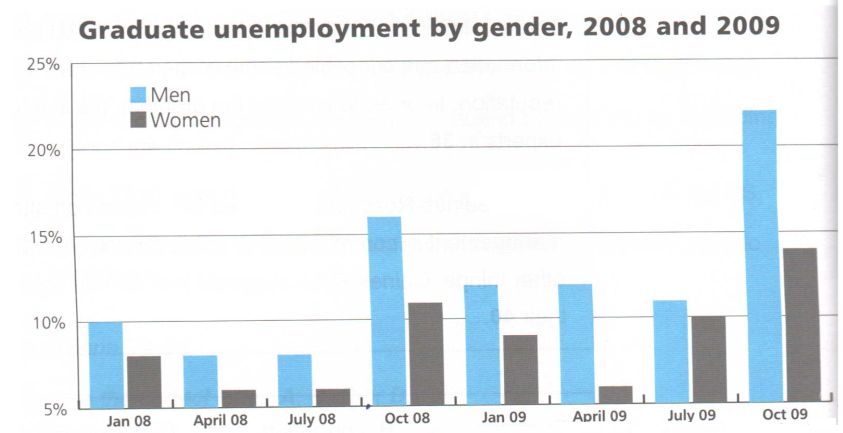 Outline Identifying the chart: Bar chart SAMPLE ANSWER:
Firstly, generally speaking, graduate unemployment rose for both groups from 2008 to 2009. Although women’s unemployment levels were the same for April 2008, July 2008 and April 2009, all other figures rose. Secondly, there was generally more unemployment for both genders during the autumn and winter months, with figures for both genders peaking in October (e.g. for males: 16 percent in October 2008 and 22 percent October 2009).
Perhaps the most striking trend, though, is for a greater percentage of male than female graduates to be out of work at all times of the year. Also, there is the greater seasonal variation for men than women: the gender difference is much more marked in October of both years and this reaches a peak in October 2009, where there is an eight percent difference between women and men.
Finally, employment of women graduates is relatively stable throughout the whole two-year period. It only varies by eight percent (six percent in April 2008, to 14 percent in October 2009). By contrast, men’s unemployment fluctuates more noticeably, with a range from eight to 22 percent.
(182 words)Useful vocabulary
| ||||||||||||||||||||||||
|
Posted: 16 Sep 2016 03:00 AM PDT
SECTION 1Questions 1-4
Choose the correct letter A, B, C or D.
Example:
Where did Julie leave her car?
[A] in the underground parking lot
B in the outdoor parking lot
C opposite the university building
D near the Student Services office
1 What arc the regulations for the underground parking area, level 1?
A Undergraduate parking is allowed.
B Postgraduate parking only is allowed.
C Staff parking only is allowed.
2 If you don't have a parking permit, what action will be taken?
A Your car will have a wheel clamped.
B You will pay a fine only.
C Your car will be towed away and you will pay a fine.
3 How does Julie usually travel to university?
A by car
B by rail
C by bus
4 Where is Student Services located?
A in the Science Department
B next to the football field
C between the cafeteria and the Science Department
Questions 5-10
Complete the release form below.
Write NO MORE THAN THREE WORDS AND/OR A NUMBER for each answer.
Application for the release of a vehicle in compound.
Name: 5………………………………………
Address: 6……………………………………
District: 7…………………………………….
Faculty: 8…………………………………….
Registration number: 9………………………………….
Make of car: 10……………………………………………..
SECTION 2Questions 11 – 14
What facilities are available at each campsite?
Write the correct letter A, B or C next to questions 11-14.
11. Biddlecombe Cascades …………..
12. Crystal Falls …………..
13. 17 Mile Falls …………..
14. Edith River Crossing ……………
A. a checkpoint but no toilets
B. toilets but no checkpoint
C. a checkpoint and toilets
Questions 15 – 20
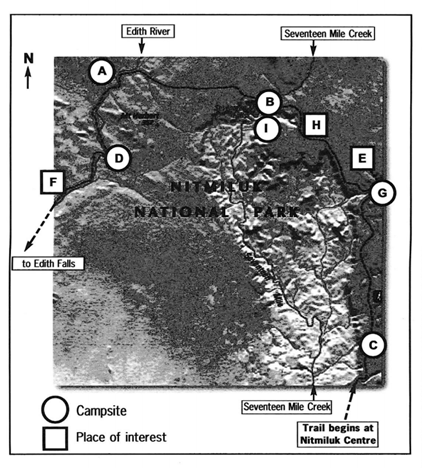
Label the map below.
Write the correct letter, A – H, next to the questions 15 – 20.
15. Biddlecombe Cascades
16. Crystal Fall viewpoint
17. The Amphitheatre
18. 17 Mile Falls Creek
19. Sandy Camp Pool
20. Sweetwater Pool
SECTION 3
Question 21 – 25
Which person has the following opinion about the incident in 2008?
Write the correct letter, A, B, or C next to questions 21 – 25
21. It was very funny.
22. Some people must have faced serious consequences.
23. It caused embarrassment.
24. It was a very immature thing to do.
25. We arc being punished for it.
A. Laura
B. Jamie
C. Denise
Questions 26 – 30
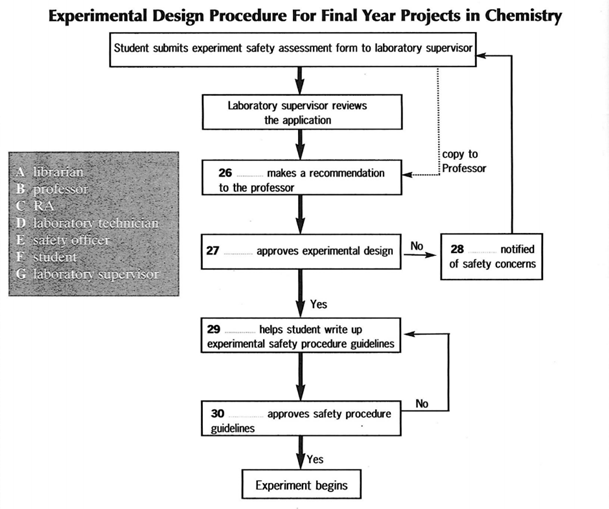
Complete the flow-chart below.
Choose SIX answers from the box and write the correct letter, A – G, next to questions 26 – 30.
 SECTION 4Questions 31-56
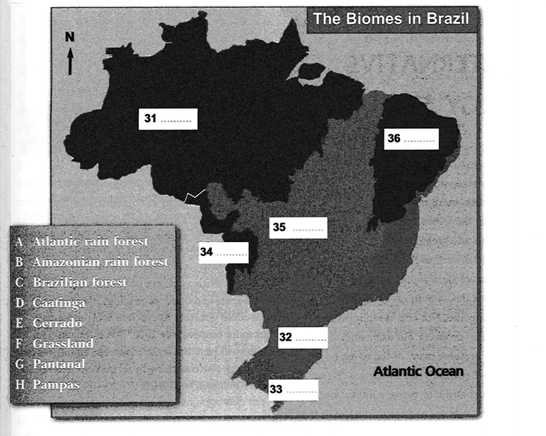
Label the map below.
Write the correct letter, A-H, next to questions 31-36.
 Questions 37 – 40
Complete the table below.
Write NO MORE THAN ONE WORD AND/OR A NUMBER for each answer.
Answer key:
BONUS EXERCISE: GAP-FILLING
The texts below are transcript for your IELTS Listening Practice Test. To make the most out of this transcript, we removed some words from the texts and replaced with spaces. You has to fill each space with the missing word by listening to the audio for this IELTS listening practice test.
SECTION 1
V =Vicky J =Julie C =Clerk
V: Hi, Juiie. You look […………………………….]. What’s wrong?
J: I left my car parked in the […………………………….]parkins (lot) and now it’s gone.
V: Gone? What do you mean? Do you think it’s been […………………………….]?
J: I think so. I’m just so flustered. It’s such a big place and I’m not sure. I just can’t remember where I left it, or if someone took it.
V: Was it locked?
J: Well, I think I locked it. You know, I was thinking of my class at the time because I was running late, so I’m not […………………………….]sure.
V: Where did you leave it?
J: Underground It was Level 1.
V: Don’t you know that area is for […………………………….]students and not for undergraduate students? Did you get a parking […………………………….]from Student Services?
J: No, I didn’t. So what does that mean?
V: It means that it’s […………………………….]been towed away.
J: Oh, no. It’s the first time I’ve brought my car. I usually […………………………….]the train in.
V: How long has it been parked for?
J: Probably around four hours. Is there anything I can do?
V: Yes. Go to the […………………………….]at Student Services and ask what you have to do to get your car back. You’ll probably have to get your car out of the […………………………….], and also pay a fine.
J: I don’t believe it!
V: I know it’s […………………………….], but it’s the only way the […………………………….]can control how many people park on the grounds. There’s just not enough parking to […………………………….]all the students.
J: They could at least have […………………………….]the wheel. Oh, well. How do I get to Student Services?
V: You go towards the Science Department, which is opposite the […………………………….]field and next to the […………………………….]. It’s in the building in between.
J: Okay, so it’s in the building in between the Science Department and cafeteria, which is opposite the football field.
V: Thafs right. Good luck.
C: Good morning. Can I help you?
J: Yes, I was told to come here because I seem to have lost my car C: What do you mean?
J: Well, it’s the first time I’ve brought my car and I didn’t realise there were […………………………….], and I think it might have been towed.
C: I see. Are you a postgraduate student?
J: No, undergraduate.
C: Did you get a parking permit?
J: No. I didn’t know about the permit.
C: Okay, we’ll have to fill out a release form for the compound com¬pany where your car has been taken. I’ll just need to get some […………………………….]. Your name?
J: […………………………….]– that’s spelt K-A-R-A-S.
C: Julie K-A-R-A-S. And your address?
J: […………………………….]
C: How do you spell Fremont?
J: F-R-E-M-O-N-T, and the district is Hawkeslev.
C: How do you spell that?
J: H-A-W-K-E-S-L-E-Y.
C: […………………………….]?
J: Pm in Political Science.
C: So that’s the Science faculty?
J: Yes.
C: What’s the car registration number?
J: It’s KIE 6… No, sorry, I always get that wrong. It's […………………………….]
C: IKE 614T. What make is the car?
J: It’s a Fiat Panda.
C: Do you know the model?
J: The model?
C: Yes, what year was it made?
J: Oh, um, […………………………….],1 think, and it’s white. Well, actually it’s cream.
C: A cream […………………………….].
J: No, 1998.
C: 1998. What I’ll do is give the car compound a call, and see if they have it in their […………………………….].
J: Okay, so what should I do?
C: Take a seat in the green room. I won’t be long.
SECTION 2
The Jatbula Trail, […………………………….]within Nitmiluk National Park, is a four-to- five day […………………………….]in Australia’s Northern Territory. It follows an […………………………….]An original song line, and the […………………………….]along the way are […………………………….]with rock paintings. There are five […………………………….]along the trail, first, Biddlecombe Cascade, then Crystal Falls, 17 Mile Falls, Edith River Crossing, and finally Sandy Camp Pool. Only ten people at a time are allowed in each campsite, so you must book in […………………………….], although usually you will not see another person on the trail. Every campsite has a source of […………………………….]water, but otherwise, […………………………….]at each campsite vary. Your first stop, Biddlecombe Cascades, has toilets and an […………………………….]call device. The next two stops. Crystal Falls and 17 Mile Falls are the most developed campsites: both offer toi¬lets. an emergency call device, and a […………………………….]where you must sign in to help rangers locate you in case of an emergency. Edith River Crossing also has a checkpoint and an emergency call device, but no […………………………….]toilets are provided Sandy Camp Pool is the most […………………………….]site of all; there is nothing there other than a beautiful sandy beach where you can pitch your tent
The trail begins at Nitmiluk Centre, where you must […………………………….]and pay a deposit of […………………………….]. After registering, you may begin your trek. You’ll follow the trail overlooking 17 Mile Creek on your left for […………………………….] until you reach the first campsite. Biddlecombe […………………………….], where you’ll stop for the night.
On the second day, the track leads north from camp. After you have walked for about 5 hours and […………………………….], you’ll reach Crystal Falls campsite located at a sharp bend in the trail.
There’s a marked trail from the campsite to the Crystal Fall viewpoint. Crystal Falls is […………………………….] high, and it’s breathtaking, so be sure to have a look.
The next day you’ll change direction and head west across a valley and then north-west again for about 95 kilometres. The track is quite even and flat for the first part of the day, which is a welcome […………………………….]from the rocky ground of […………………………….]days. Before you reach the next campsite, you will pass. The Amphitheatre’ – a butterfly and frog filled […………………………….]that’s important to the […………………………….]people who have left intricate rock paintings on the rock walls. A few kilometres further you’ll come to […………………………….]campsite beside a series of rock pools and small cascades above 17 Mile Falls Creek. There is a […………………………….]over the falls that shouldn’t be missed, and is particularly beauti¬ful at […………………………….].
On day four you’ll take your longest hike, 15 and a half kilometres, going to the west. You'll cross a boggy area as you […………………………….]the Edith River. If you’re tired you may camp here, where you first cross Edith River, or instead follow the river south, crossing it several more times before you reach the campsite at Sandy Camp Pool, where you can spend the last night of your […………………………….]camping on a sandy beach beside a […………………………….]waterhole.
Leaving Sandy Camp Pool, the track continues through […………………………….]until you pass a checkpoint at Edith River South. From here the trail is lined with the river on the left-hand side and high rocks on the right. One last stop is a must at […………………………….]Pool. This is a large waterhole […………………………….]by rocky […………………………….]that is perfect for a pic nic before you return to […………………………….]. Day trippers can access this point from Edith Falls so it may be your first […………………………….]with another person since leaving Nitmiluk. After a swim make your way to Edith Falls, where your […………………………….]ends. Make sure you deregister at the Edith Kiosk, and then take a hot shower.
SECTION 3
L= Laura, laboratory technician J=Jamie, student D= Denise, student
L Hi there, I'm Laura. I’m the […………………………….]technician for these chemistry labs, and Professor Mills has asked me to explain the […………………………….]that you’ll all have to go through to get your final year projects […………………………….]. Most of the procedure involves safety […………………………….], which we take very […………………………….]. We don’t want any uncontrolled […………………………….], no fires, and definitely no incidents with toxic gases.
D: You mean like what happened in […………………………….] when the whole science block had to be […………………………….]?
L Yes, exactly! So you've heard about that already, Denise?
D: Professor Mills told us about it on the first day of class. It was […………………………….]!
J: Yeah, but I reckon some people must have gotten into a lot of trouble.
L To be honest it was […………………………….]embarrassing for the chem¬istry department, because, not only could no one identify what the toxic […………………………….]was, but also at the time of the incident, no one was actually […………………………….]to be carrying out experiments with any toxic sub¬stances […………………………….]. It turned out a student had got a bit bored and had decided to do some […………………………….]experimentation by mixing up some random […………………………….]that were lying around. This is actually […………………………….]foolish, because there are some extremely dangerous […………………………….]in the laboratory stores, and everyone was […………………………….]shocked that someone of college age would do something so childish and […………………………….]. And, in effect, this incident was the reason we developed the safety procedure that each of you must now go through before we let you loose in the […………………………….]to do your final year project. The procedure will force you to really be aware of safety issues, so just in case, at the moment, any of you think it would be a laugh to mix up some […………………………….]substances or light things on fire for no reason, by the time you’ve worked your way through the procedure, you’ll at least pause for a second thought at least, we would hope so!
J: So, uh, can I ask something?
L Yes, Jamie?
J: So, we’re basically being punished because some other stu¬dent was […………………………….]?
L Actually, the approval process isn’t as bad as that. We can’t really call it a punishment! It seems really very long and […………………………….]at first, because you'll have to get a lot of different tasks […………………………….]for approval by a lot of different staff members, and I’m sure most of them will have various concerns and […………………………….]. But my aim today is to break down the process, and explain all the different steps to you, so that it doesn't seem quite so bad.
L All right, let’s get started. As I said before, a number of different staff members will be giving you […………………………….], and they may not always agree, so just to keep things clear, you should remember that the […………………………….]supervisor has the final say about whether or not an […………………………….]may be done here, in our laboratory. Your professor has the final say on whether you can do a […………………………….]experiment for your project, provided it’s […………………………….]by the laboratory, and I’ve got the final say on how it may be done.
So, the first step is that you will fill out this safety […………………………….]form. You will have to have a fairly clear idea of your experiment, because you’ll need to list all the […………………………….]you’ll be using, the […………………………….]you’ll be using for each one, and the nature of the reactions that you’ll carry out. You’ll also be required to […………………………….]a week-by-week […………………………….]so that we can be sure that whatever […………………………….]you’re working with won’t prove to be […………………………….]if they get mixed up with whatever the person next to you on the […………………………….]is getting up to. Really, for most of you this assessment form will be quite […………………………….]because you’re simply not going to be working with anything very dangerous. But for some of you, particularly if you are working with any […………………………….]substances, it could be a bit more […………………………….]. You might have to justify the use of certain substances, or only be allowed to use them on particular days.
Now then, after you’ve filled out your safety […………………………….]form, and given a copy to your professor, you will submit it to the laboratory […………………………….], and he’ll review it. This could take a couple of weeks so do it early, dont leave it to the last minute; he’s a busy man.
The laboratory supervisor will […………………………….]make a recommendation to your professor about whether the experiment can go ahead, requires […………………………….], or may not be done. Next your professor will either […………………………….]the project, or not If your professor does not approve the project due to safety […………………………….], then you, the stu¬dent. will be […………………………….]and you'll begin the process over again by sub¬mitting a new safety assessment form that takes into account those […………………………….]safety issues. Is everyone with me so far?
J: Uh I have a question
L Yes, Jamie?
J: Er, so if we have to wait weeks for the laboratory supervisor to give his approval, and then we have to […………………………….]the form, uh, we’re going to be quite behind our […………………………….]who got approval on their first go. That’s a bit unfair, isn’t it? I mean, some people are going to have an […………………………….]of several weeks over other people.
L Well, you needn't really worry about getting behind at this […………………………….]; after all, you’ll have six months to work on your final project. And you’ll only get a two-week block of laboratory time, anyway, so there’s time to wait for the laboratory supervisor, provided you get started […………………………….]and don’t leave it all to the last […………………………….]! Also, don’t forget that this is only one step; there are plenty of other steps for other students to get […………………………….]on farther down the line It will all […………………………….]
D: But, urn, Laura, what if our projects aren’t approved?
L Then you’ll come up with another one. Don’t get too […………………………….]to your project in the beginning. Projects get turned down. Let’s see, last year I think only […………………………….]got approval on their first go.
J: Out of how many?
L Out of…. about 45,1 think; there are less of you this year.
But still, be prepared to come up with an […………………………….]project. There are plenty of people to help you if you need ideas; your professor, his RAs, even your fellow students. And don’t forget that in the first months of your project the library will be your second home, and the librarians will be your […………………………….] friends.
D: Laura, what’s an RA?
L RA stands for research […………………………….], like Jess, over there, in the lab coat. Hi, Jess! Now, once your professor has approved your project, you will need to write up a set of experiment safety […………………………….]guidelines. This will include all the […………………………….]steps you’ll take to keep safe, and exactly what you’ll do if you have a […………………………….]or some such thing.
D: How will we know all this? We’ve got no experience in the laboratory. L Well, after your professor […………………………….]your project, he’ll […………………………….]an RA to help you write the experimental safety procedure […………………………….].
You won’t be on your own Finally, once that’s written, you’ll give it to the laboratory […………………………….], that’s me. for approval. If I approve it then you can begin your experiment If there are problems, we’ll sit down together and talk about it, then you and your assigned RA will come up with a way of making your experiment completely safe to […………………………….], you’ll re-do the guidelines, and give it to me again, until it’s approved. But the RAs know what they’re doing so I don’t expect there will be too many problems. Ok? Any questions?
SECTION 4
To begin our topic on […………………………….]development in South America, I would like to briefly […………………………….]you with the […………………………….]present in the country. Each of these biomes has its own geographic and environ¬mental […………………………….], has unique resources that people may […………………………….], and indeed, each is facing different threats from human development.
Biomes, if you recall, are regions that are […………………………….]and geo¬graphically defined and contain […………………………….]communities of plants and ani¬mals. They are sometimes named for the plant communities that occur such as forest, […………………………….], and grassland; whether these plants are […………………………….]or deciduous; and climatic factors as well, for example, […………………………….], temperate, etc.
All right, let’s take a look at this map of Brazil. The largest biome in Brazil is the Amazonian Rainforest Biofne. which you can see […………………………….]in the north of the country. It’s one of two rainforest […………………………….]in Brazil; the second being the Atlantic rainforest Biome. which is located in a […………………………….]narrow strip running up the eastern Atlantic […………………………….]In the very southernmost part of Brazil, bordered by the Atlantic […………………………….], lies the very small and relatively […………………………….]Pampas biome. which is grassland. Finally, stretching like a belt across the middle of the country, between the two rainforest […………………………….], lie the Pantanal, the Cerrado, and the Caatinga. Starting at the left of the map, you can see the […………………………….]of the three, which is the Pantanal Biome a unique […………………………….]flooded wetland area. In the centre of the country is the Cerrado. the second largest biome in Brazil. Cerrado is tropical savannah – a […………………………….]of grassland and […………………………….]forest that experiences a short dry season. Finally, the last biome. called […………………………….]. is located between the Cerrado and the Atlantic forest in the north east of the country. The Caatinga has a very long dry season, lasting […………………………….], and is covered in deciduous scrub.
So, let’s begin with the Amazonian Rainforest Biome. As I men¬tioned previously, it’s rainforest, and it’s incredibly […………………………….]. It contains the largest single reserve of […………………………….]organisms in the world. No one really knows how many species occur in the Amazon forest, but scientists […………………………….]that there could be as many as […………………………….]. Recently this biome has been under a great deal of pressure from […………………………….], with large swathes being cleared and burned to create […………………………….]for the 19 million cattle that the area supports. However, the soils are […………………………….]with very low levels of certain important […………………………….], and are quickly degraded when heavily […………………………….], which necessitates more clearing and burning of forest. The rainforest is further […………………………….]by selective logging of valuable tree species.
The second largest biome in Brazil is the Cerrado, which is a tropical savannah environment made up of […………………………….]trees and drought-resistant grasses. The Cerrado also contains a huge […………………………….]; it’s estimated that one third of Brazil’s plant and animal species are located in this region. But since […………………………….], the […………………………….]pasture area in the Cerrado has increased by almost […………………………….]. It is a common practice to use newly cleared land for the cultivation of crops for a few years, and then when it starts to […………………………….], to use it for pasture for […………………………….]. The Cerrado now supports […………………………….]cattle, which amounts to […………………………….] of the cattle in Brazil.
Next, we have the biome called the Caatinga, which is a tropical dryland with a dry season that lasts 8 or 9 months of the year. Vegetation is deciduous, sparse and […………………………….], and contains a high num¬ber of species […………………………….]to Brazil. Agriculture is limited by the lack of water but this biome supports […………………………….]goats and 8.1 million sheep, besides 23.9 million cattle.
The Pantanal Biome, a wetland formed by the flooding of the rivers of the Paraguay basin, is the world’s biggest flooded plain. Vegetation is […………………………….]and variable; it consists of tall grasses, bushes, and widely […………………………….]trees similar to those of the Cerrado, except that in the Pantanal they are partially […………………………….]for a portion of the year. Three million cattle are raised in this biome. however the available grazing area is […………………………….]by flooding so large areas can sus¬tain only low numbers of animals. UNESCO recognizes it as a “World Biosphere Reserve* and also as a “World Natural […………………………….]Site.” Eco¬tourism is becoming important in this region, which […………………………….]the economic activity.
The Atlantic Rain Forest is the most […………………………….]biome in Brazil and also its most […………………………….]region. It’s the most important agricultiral and industrial area of the country. It supports […………………………….]cattle, and most of the country’s dairy production takes place there. More than […………………………….] of the Brazilian population, the largest Brazilian cities and the production of about […………………………….] of Brazil’s gross […………………………….]product are all located in what used to be the Atlantic Forest. Today, as a result, less than […………………………….]of the Atlantic forest is left. The Biome is also beginning to be recognised as […………………………….]very important; in the state of Bahia, for example, international researchers have […………………………….]a world record of 458 tree species in a single […………………………….]of Atlantic Forest. That is even more diverse than the Amazon rain forest. At the moment, less than 2% of the remaining Atlantic forest is under pro-[…………………………….]status, and the scientific community is […………………………….]to secure what little undisturbed forest still remains.
Finally, the Brazilian Pampas Biome has a temperate climate – it’s the only biome in Brazil that is not tropical. Grasslands […………………………….]with […………………………….]and trees are the dominant vegetatioa. The shallow soil, origi¬nating from sedimentary rocks, often has an extremely sandy texture that makes it fragile and highly […………………………….]to water and wind […………………………….].
The Pampas supports […………………………….]cattle and […………………………….]sheep, in mostly natural unmodified pastures; however this biome is being threatened with rapid conversion to the agriculture of […………………………….].
All right, so, next week we will go into more detail about the economic […………………………….]of the Brazilian [……………………..]in relation to the development of each of these biomes.
Practice every day to improve your IELTS listening skills. Don’t forget to visit IELTS Material website on a daily basis to find more practice tests for every skill in the IELTS Test.
| ||||||||||||||||||||||||
|
Posted: 16 Sep 2016 01:33 AM PDT
IELTS Cue Card for IELTS Speaking Part 2:Describe a film you watched at home or in a cinema.You should say: what film it was what it was about why you chose to watch that film who you watched it with and explain if you learned anything important from the film BAND 9.0 SAMPLE ANSWER As a frequent moviegoer, I watch a lot of films. One of the movies that I enjoyed the most recently was The Martian. The movie was based on a novel of the same title by Andy Weir. Just like many other sci-fi films, it was about man travelling in space, however, this time, our main character was stuck on Mars due to a dust storm which nearly killed him. All of the crewmates thought that he was dead, so they went back to Earth without him. But fortunately he was still alive, thus two and a half hours of the movie told the story of how he fought for his life in the brutal environment of Mars, until NASA devised a plan to rescue him. My best friend is a big fan of astronomy, so she had read [2] the novel before. That‟s why she insisted on me going to see the movie with her. After watching the trailer and reading the plot, I was hooked. It was maybe the best two and a half hours of my week so far. After watching the movie, I was amazed at how ingenious and strong humans can be when it comes to a life and death situation. Mark Watney, the hero of the movie, was a perfect portrayal of a young, humorous, brilliant and skillful engineer cum botanist. Although the hostile environment of Mars threatened his existence many times, he relentlessly refused to quit. Instead, he overcame one problem at a time until he was successfully rescued. The message that I learned from the film is never to give up, however hopeless things seem to be. VOCABULARY: moviegoer: [noun] a person who goes to the cinema. sci-fi: [noun] science fiction; based on imagined scientific discoveries of the future, such as space travel or life on other planets. Example: Sci-fi movies have become more popular since space travel has become possible. stuck on Mars: the man was unable to escape from the planet. Example: we were stuck in traffic and so we arrived late for work. dust storm: [noun] a storm that carries clouds of dust in the wind over a wide area. Example: a lot of plants die after a dust storm passes through an area. crewmates: [noun] all the people working on a ship or, in this case, a spacecraft. fought for his life: [verb phrase] he made a great effort to stay alive. Example: The man was badly injured in the accident, but he fought for his life and he recovered later in hospital. brutal: [adjective] if an environment is described as brutal this means that it is very dangerous and it is difficult for a person to survive. devised: [verb] NASA invented something new to rescue the man. Example: a new system has been devised to control traffic in the city. astronomy: [noun] the scientific study of the sun, moon, stars and planets. trailer: [noun] a series of short scenes from a film or programme, shown in advance to advertise it. Example: after watching an exciting trailer, I decided to go to see the film. plot: [noun] the events which form the story of a book, play or film. Example: the book has a plot about a prisoner who escaped. hooked: [adjective] enjoying something so much that you want to see or do it. ingenious: [adjective] very clever at inventing new ideas. Example: many ingenious researchers are working on ways to combat cancer. portrayal: [noun] the act of describing or showing something or somebody in a book, play or film. Example: the actor gave a fantastic portrayal of a clever detective in the film. botanist: [noun] a person who studies plants. hostile: [adjective] a hostile environment is unsafe for humans, because there are many dangers. Example: in the hostile environment of the desert, you must take a lot of water with you. threatened his existence: the many dangers and difficult conditions on Mars were a danger to his life. relentlessly: [adverb] in a way that continues strongly, without giving up. Example: the soldiers relentlessly pursued their enemies after the battle. hopeless: [adjective] without hope Example: after searching for the lost plane for many days, the situation seemed hopeless and it seemed that the rescuers would never find it | ||||||||||||||||||||||||
|
Posted: 16 Sep 2016 01:11 AM PDT
Equate – Word Of The Day For IELTS Speaking And WritingEquate: (Verb) /ɪˈkweɪt/Definition:to consider that two things are similar or connectedSynonyms:Associate, Relate, ConnectCollocations:With noun: equate cost/ valueWith verb: seem/ tend to equate Example:For IELTS Speaking:“Most people equate wealth with success.” “These executives seem to equate marketing with selling and fail to consider other aspects of the marketing system.” For IELTS Writing: “For preoperational children, justice tends to be equated with punishment and whatever adults say is right must be right.” Exercise:Choose the following words to fill in the blank: consumes, transferred, aspect, normal, previous, selected, injury, complex, equated, relevant.
1. selected 2. complex 3. aspect 4. consumes 5. relevant 6. equated 7. transferred 8. injury 9. normal 10.previous Check out Vocabulary for IELTS Speaking & Writing on IELTS Material website to improve your vocabulary for IELTS and get a high score in IELTS. | ||||||||||||||||||||||||
|
Posted: 16 Sep 2016 12:30 AM PDT
A Self-Made Man – Idiom Of The Day For IELTS Speaking.Definition:A person who rich and successful because they have worked hard, not because they were born into a rich family. Example: “Jack is definitely a self-made man. He came from a poor background and worked his way up until he became quite rich.” “Benjamin Franklin was a self-made man, who rose from being a son of a candle-maker to one of the Founding Fathers of the United States of America.” “Critchley was a self-made man who learned to account while working in a brush factory.“ Exercise:
| ||||||||||||||||||||||||
|
Posted: 16 Sep 2016 12:13 AM PDT
In the IELTS Speaking Part 1 Section, IELTS examiner will introduce himself or herself and ask personal/general questions on about 3 familiar topic areas such as study, hometown, work, weather, the countryside, politeness, family.The first topic will be Studies, Work or Where you live. Two other topics with various questions will be categorized in the list below. You can use these sample topics and questions for Speaking Part 1 to rehearse before sitting for the oral interview. Remember not to memorise the suggested answers for Speaking Part 1 because you should give personal answers from your life and experience. There is no right or wrong answer. Remember that these are personal questions and you should,therefore, give personal answers. If the examiner thinks that you have learned by heart answers, you will lose lots of marks.This post will list out 33 new IELTS Speaking Part 1 Topics and Questions for IELTS test taker from September to December 2016. Visitors Do you often invite friends to visit your home? Do you like visitors coming to your home? Do people often visit you at your home? How often do visitors come to your home? When do visitors come to your home? Do you prefer to have friends visit you or relatives? What do you usually do together with your visitors? When someone visits you. how do you usual, show hospitality (or. entertain them)? Celebrity Who is your favorite celebrity in Vietnam? Do you like any foreign celebrities? Would you want to be a celebrity in the future? Do you think we should protect famous people’s privacy? How do celebrities influence their fans in Vietnam? Computer I low often do you use computer? What kinds of computers are popular in Vietnam? What do you usually use your computer for'? Who taught you how to use a computer’? Do you think computers have changed your life a lot? Bags Do you like bags? What types of bags do you like? Do you usually carry a bag (when you go out)? What types of bags do you use (in your everyday life)? Do you have different bags for different occasions (or, different purposes)? What do you put in these bags? What sorts of bags do women like to buy? Art Do you like art? Do you think art classes are necessary? (Why?) How do you think art classes affect children’s development? What kind of paintings do Vietnamese people like? What can you learn from western paintings? What benefits can you get from painting as a hobby’? Chocolate How often do you eat chocolate? What’s your favorite flavor’.' Is chocolate expensive in Vietnam? When was the first time you ate chocolate? Is chocolate popular in Vietnam? Flowers Do you like flowers? (Why?) What flowers do you like? (Why?) Which/What is your favorite flower? Do you think flowers are important? (Similar to above) Are flowers important in your culture? (Give examples) On what occasions are flowers important? Do people in your country ever use flowers for special occasions? In your country, do people (ever) give flowers as a gift? What are the occasions when people give or receive flowers? Hats Do you like to wear hats? What kinds of hats do you have? Where do you like to buy hats? Is wearing hats popular in your country? Gifts How often do you buy others gifts? Do you like to send expensive gifts? What kinds of gifts are popular in your country*? Why do people send gifts? Advertisement Are there many advertisements in your country? Why do you think there are so many advertisements now? What are the various places where we see advertisements? How do you feel about advertisements? Noise Do you mind noises? What types of noise do you come across in your daily life? Are there any sounds that you like? Where can you hear loud noise? Do you think there's too much noise in modem society*? Are cities becoming noisier? Bus or Taxi How often do you take the bus? When was the first time you took a taxi? What are the advantages of taking a taxi compared with buses? Is it convenient to take the bus/taxi in your city? Hometown What's (the name of) your hometown (again)? Is that a big City or a small place? Please describe your hometown a little. How long have you been living there? Do you like your hometown? Do you like living there? What do you like (most) about your hometown? Is there anything you dislike about it? Do you think you will continue living there for a long time? Work & study What work do you do? Why did you choose to do that type of work (or. that job)? Do you like your jobs? Is it very interesting? (Possibly)Do you miss being a student? Your Study What subject(s) are you studying? Why did you choose to study that subject? Why did you choose to study those subjects? Do you like your subject? (Why?/Why not?) Is it very interesting? (Possibly) Are you looking forward to working? Do you prefer to study in the mornings or in the afternoons? Teacher What kinds of teachers do you like best? Who was your favorite teacher when you were young? Would you want to be a teacher in the future? Have you ever had bad teachers before? Family How often do you meet with your family? How do you spend the time with your family? Do you want to live with your family in the future? Are you close to of your family members? How has your family influenced you? Sing Do you often like sing? When do you like to sing? How much time do you spend in singing every day ? What kinds of music do you like to sing? Is it difficult to sing well? Do you want to be a singer? Walking Do you like walk? Do you like to walk on your own or with others? Would you say that your city is a good place for walking? Books How often do you read? Do you have many books at home? Do Vietnamese people do enough reading? Do Vietnamese people like to read? What kind of people like reading and what kind of people don't like reading very much? Newspaper and magazine Do you often read newspapers? When do you like to sing? Do you prefer to read local news or international news? Which is more popular where you live, newspapers or magazines? Do many people today read newspapers? In the future, do you think more people than today will read magazines, or fewer people? Do you think newspapers will be very important to you in the future? Activity near water What activities would you do if you were spending some leisure time at a beach or near the ocean? Why do some people like water sports? Do you think the government should invest money in developing facilities for water sports? Do you think that human activity is posing a threat to the oceans of the world? What do you think are the advantages and disadvantages of travelling on the ocean? Do you think it's important for children to learn how to swim? Do you think it's best for a child to be taught to swim by a parent or by someone else? Photography Do you like to take photographs? (Why?) Do you prefer to take photos yourself or to have other people take photos? (Why?) How long have you liked taking photographs? How (why) did you become interested in photograph/? How often do you take photographs? In what situations do you take photographs? What kind of photos do you like to take? (Why?) Do you prefer to take pictures of people or of scenery? Who do you take photos of? How do you keep your photos? Do you keep your photographs on your computer? Are there any photos on the walls of your home? Do you frame (or have you framed) any of your photos? yes, which?& why?) Do you prefer to send postcards to people or to send photos that you took yourself? (Why?) Colors What colors do you like? What's the most popular color in Vietnam? Do you like to wear dark or bright colors? What's the different between men and women's preference on colors? Do colors affect your mood? Music Do you often (like to) listen to music? When do you listen to music? How much time do you spend listening to music every day? What kinds of music do you like to listen to? What's your favorite kind of music? Have you ever been to a concert before? Do you like to listen to live music? When did you start listening to this type of music? Where do you listen to it? How do you feel when you listen to this music? Do you like listening to songs? Have you ever been to a musical performance? Have you ever learned to play a musical instrument? Is music an important subject at school in Vietnam? Did you often listen to music when you were a child? (If yes give details.) What kinds of music arc (most) popular in Vietnam? Handcrafts Do you like collect things made by hand? Did you ever take handcrafts lessons at school? Are handcrafts popular in Vietnam? Do you think children should learn more about handcrafts? Do you think handcrafts are meaningful activities? Birthday How do children celebrate birthdays in your country? How did you celebrate your last birthday? What kinds of birthday gifts do you like to receive? Is there a difference between the way you celebrate your birthday in the past and in the present? Transportation What's the most popular means of transportation in your hometown? How often do you take buses? Can you compare the advantages of planes and trains? Is driving to work popular in your country"? Do you think people will drive more in the future? Would you ride bikes to work in the future? What will become the most popular means of transportation in Vietnam? Do you prefer public transportation or private transportation? Weekends What do you do in your spare time? When do you spend time with your family? What do you usually do on weekends? What did you do last weekend? What do other people in your hometown (or in your country) usually do on weekend? What are you going to do next weekend? Do you think is important to make the most of your weekend? Do you feel that weekends now are more important to you than when you were a child? Sunny days Do you like sunny days? What do you like to do when it's a sunny day? Would you like to stay at home or go outside when the weather is great? Are there many sunny days in your hometown? Outdoor Activities What do you do in your spare time? Do you like outdoor activities? What outdoor activities do you (most) like to do? How often do you do that? What outdoor sports do you like? (Why?) How much time do you spend outdoors every week? How often do you do outdoor activities? What (types of) outdoor activities are popular in your country? Painting Do you like painting or drawing? How often do you visit art galleries? What kinds of things do you like to draw? Is it easy to learn how to draw? Home/ Accommodation What kind of housing/accommodation do you live in? Do you live in a house or a flat? Who do you live with? How long have you lived there? Do you plan to live there for a long time? (If you answer you haven’t lived there long) What's the difference between where you are living now and where you have lived in the past? Can you describe the place where you live? Which room does your family spend most of the time in? What do you usually do in your house/flat/room? Are the transport facilities to your home very good? Do you prefer living in a house or a flat? Please describe the room you live in. What parts of your home do you like the most? DOWNLOAD NEW TOPICS FOR IELTS SPEAKING PART 1 (September – December 2016) You can also download Sample Answers for 42 Topics for IELTS Speaking Part 1 in 2016 to practice with your IELTS study partners. | ||||||||||||||||||||||||
| You are subscribed to email updates from IELTS Materials and Resources, Get IELTS Tips, Tricks & Practice Test. To stop receiving these emails, you may unsubscribe now. | Email delivery powered by Google |
| Google Inc., 1600 Amphitheatre Parkway, Mountain View, CA 94043, United States | |


